What is medical coding
About Medical Coding
Medical coding
Medical coding is the process of assigning standardized codes to medical diagnoses, procedures, and treatments, so that they can be easily understood and tracked by healthcare providers, insurance companies, and other organizations involved in the healthcare system.
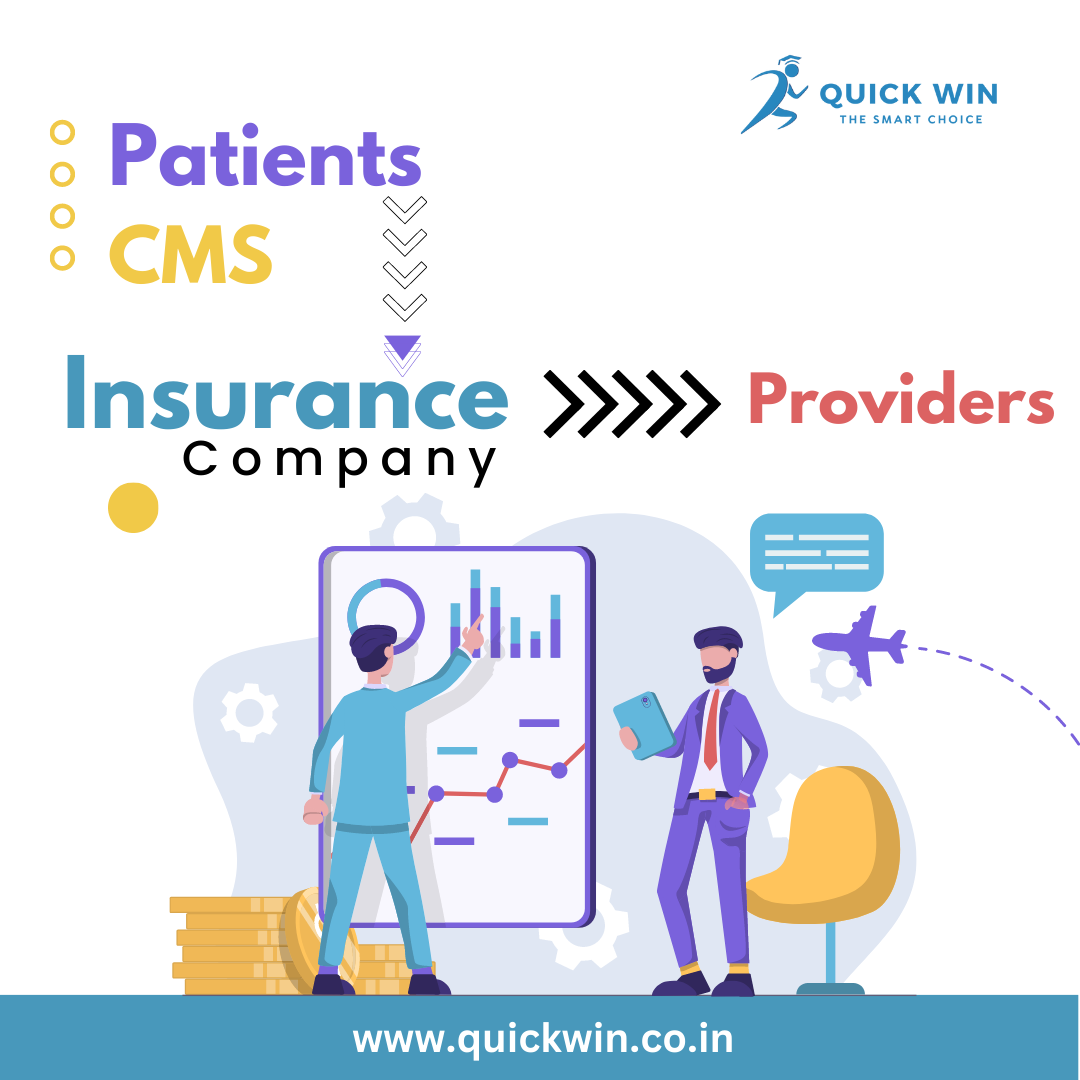
There are several coding systems used in medical coding, including the International Classification of Diseases (ICD), which is used to code diagnoses, and the Current Procedural Terminology (CPT), which is used to code medical procedures and services. These codes are used by healthcare providers to communicate with insurance companies to ensure proper reimbursement for services rendered.
Accurate medical coding is essential for the proper functioning of the healthcare system, as it helps ensure that healthcare providers are paid correctly for their services, and that patients receive the appropriate level of care. It also allows for accurate data analysis and research, which can inform healthcare policy decisions and improve overall healthcare outcomes
Ready to get started
Feel free to reach us Call
Medical coding Career
Opportunities
Medical coding offers a variety of career opportunities in the healthcare industry. Here are some of the most common roles.
Medical Coder
Medical coders are responsible for translating medical diagnoses, treatments, and procedures into standardized codes. They work in hospitals, clinics, and other healthcare settings, and may also work for insurance companies or government agencies.
Medical Biller
Medical billers are responsible for processing insurance claims and billing patients for medical services. They often work closely with medical coders to ensure that claims are accurately coded and submitted to insurance companies.
Coding Auditor
Coding auditors review medical codes to ensure that they are accurate and comply with coding guidelines. They may also provide training and education to medical coders and healthcare providers.
Coding Manager
Coding managers oversee a team of medical coders and are responsible for ensuring that coding processes are efficient, accurate, and comply with industry standards.
Medical Records Technician
Medical records technicians are responsible for maintaining patient medical records, which includes ensuring that they are accurate and up-to-date, and that they comply with privacy laws and regulations.
Data Analyst
Data analysts use medical coding data to analyze healthcare trends, identify areas for improvement, and develop strategies to improve healthcare outcomes.
Overall, medical coding offers a diverse range of career opportunities, and there is a growing demand for skilled professionals in this field.
Query Form
Fill Query Form We Reach You Soon
Get In Touch
1st Floor, Ammankovil Main Road, Marthandam, Tamil Nadu, Pin 629165
+91 9384633107
infoquickwin@gmail.com
Instagram Gallery

.png)